









The very name “Krasnaya Gorka” reflects an ancient worldview: the word “krasnaya” meant “beautiful” or “joyful,” while “gorka” referred to an elevated spot that was the first to be cleared of snow and became the natural center of village life. It was there that people gathered to welcome spring, the sun, and the renewal of nature. These places became unique focal points – spaces where people felt themselves to be part of a great natural cycle. Krasnaya Gorka on April 14 is one of the most poetic and vibrant holidays in the East Slavic tradition, combining ancient rituals of welcoming spring with later Christian meanings. It is celebrated on the first Sunday after Easter and is known in the church calendar as Thomas Sunday – a day associated with the Gospel story of Christ’s appearance to the Apostle Thomas. However, in folk culture, this day has retained a much deeper and more symbolic meaning, rooted in the pre-Christian era.
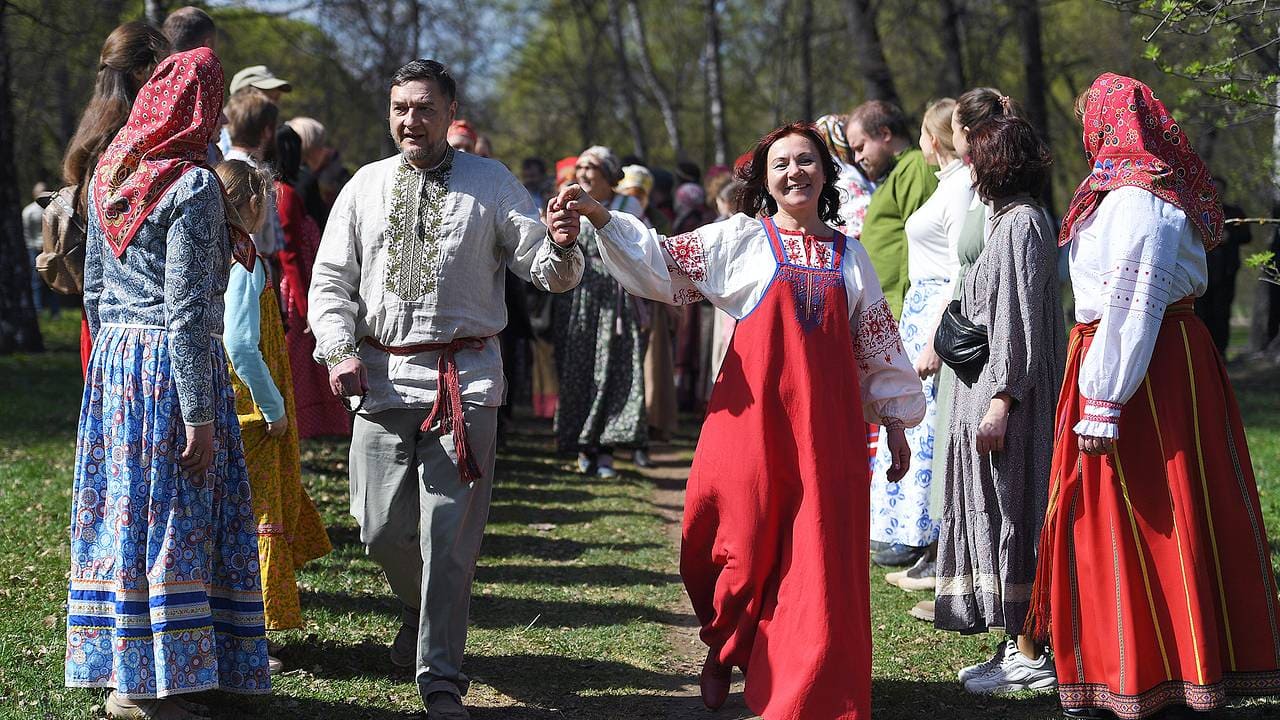 |
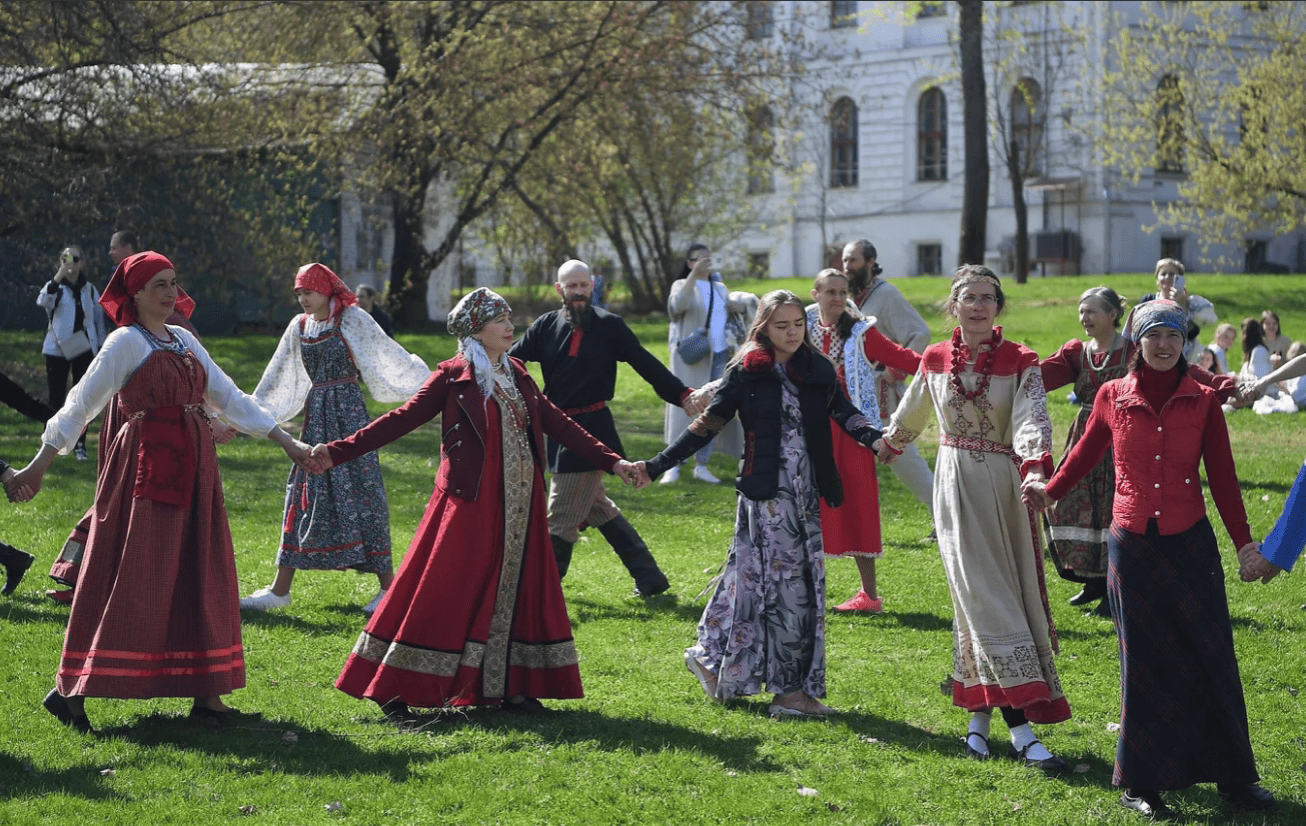
The holiday was closely linked to the idea of the earth’s awakening and the beginning of a new phase of life. In traditional customs, it was precisely at this time that social and personal life became more active: the period of winter seclusion came to an end, work on the land began, and mass festivities were held. Young people would go out to the hills, dance in circles, sing songs, meet new people, and choose a partner. Krasnaya Gorka has long been considered a particularly auspicious time for weddings – it is no coincidence that people used to say that marriages concluded on this day would be strong and happy.
 |
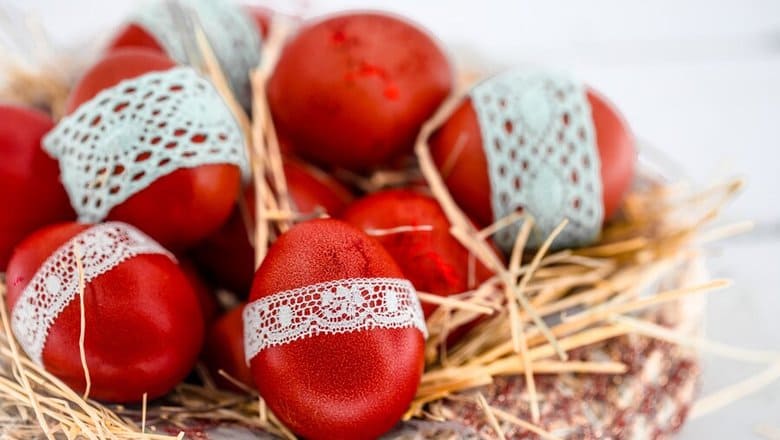
Among the characteristic rituals, one can highlight the rolling of chicken eggs down a hill – a unique game of divination symbolizing the flow of life and destiny. Remembering one’s ancestors also remained an important element: people visited cemeteries, brought offerings, and shared them with those in need, thereby preserving the bond between generations. These actions were not seen as opposed to the joyful festivities – on the contrary, they complemented the overall sense of the continuity of life, in which the past, present, and future exist in a single circle.
 |
Today, Krasnaya Gorka is increasingly perceived not only as a folkloric heritage but also as a cultural symbol relevant to modern society. Amid growing interest in traditions and a conscious lifestyle, this holiday draws attention back to simple yet important things: human connection, the rhythms of nature, the value of family, and continuity. It reminds us that spring is not only a change of season but also a time of inner renewal, openness, joy, and new beginnings.
 |
Thus, Krasnaya Gorka remains a living cultural phenomenon in which history, faith, and folk wisdom are organically intertwined. By preserving this holiday in modern life, we are not merely reproducing a tradition, but rediscovering its meaning – as a source of harmony between people, society, and nature. The holiday is celebrated in many kin’s settlements.
Author: Anna Zaretskaya, The kin’s settlement Zdravoe, Krasnodar Krai.
