











Komoeditsa (now known as Maslenitsa) arrives when winter still holds the land in its grip, but its power is already waning. The morning light grows softer, the sun lingers in the sky longer, and people begin to feel a sense of movement forward. This is not a sudden break, but a calm, almost imperceptible transition, which is felt especially keenly in the quiet of kin’s settlements and kin’s domains.
 |
In folk tradition, Komoeditsa is associated with the awakening of the earth and the forest. In the old days, the word “Kom” meant a bear – the lord of the forest, who emerges from hibernation. Along with him, as the elders used to say, all living things begin to awaken. Therefore, Komoeditsa was considered a time for a respectful farewell to winter and preparation for spring, without struggle and without haste.
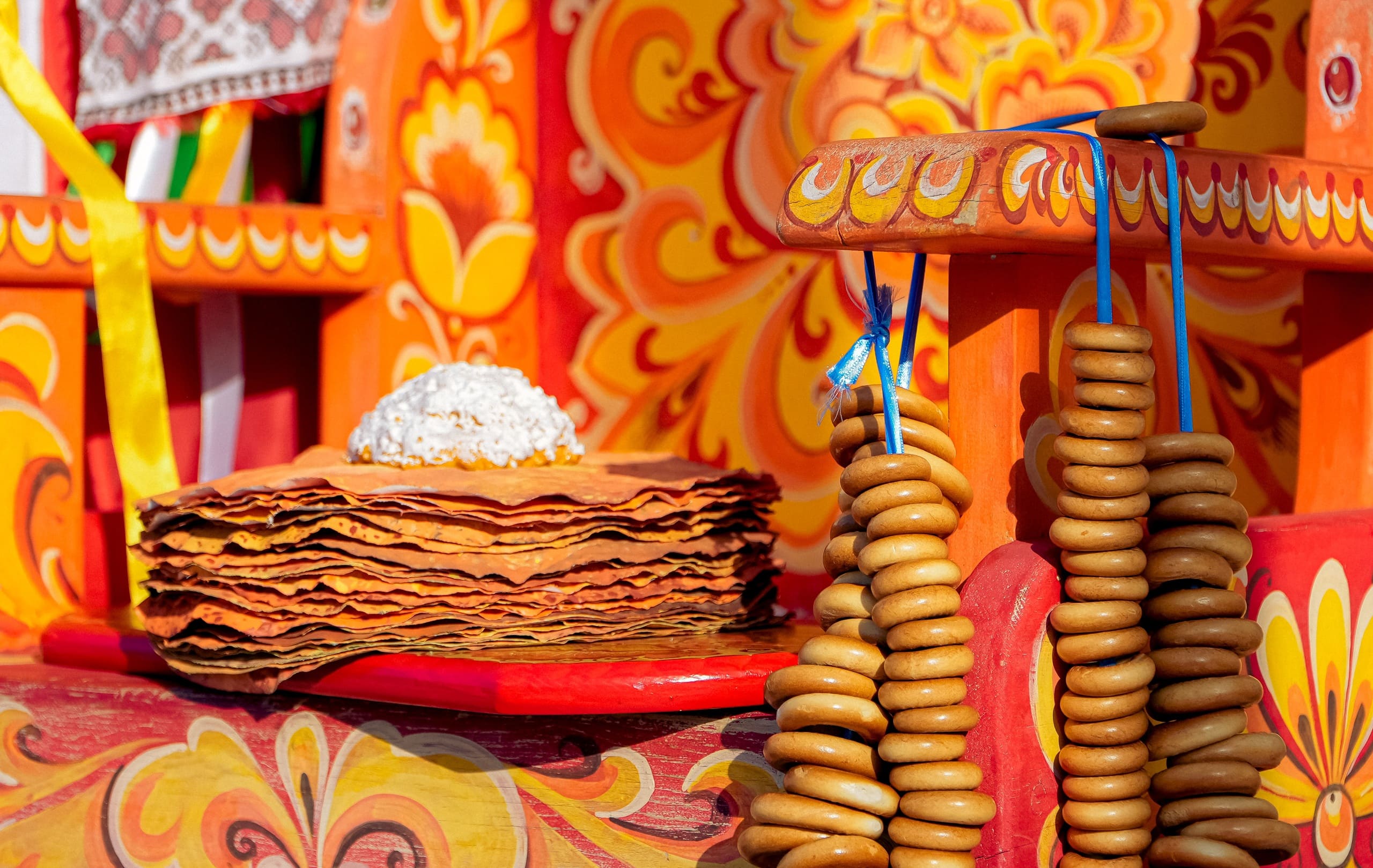 |
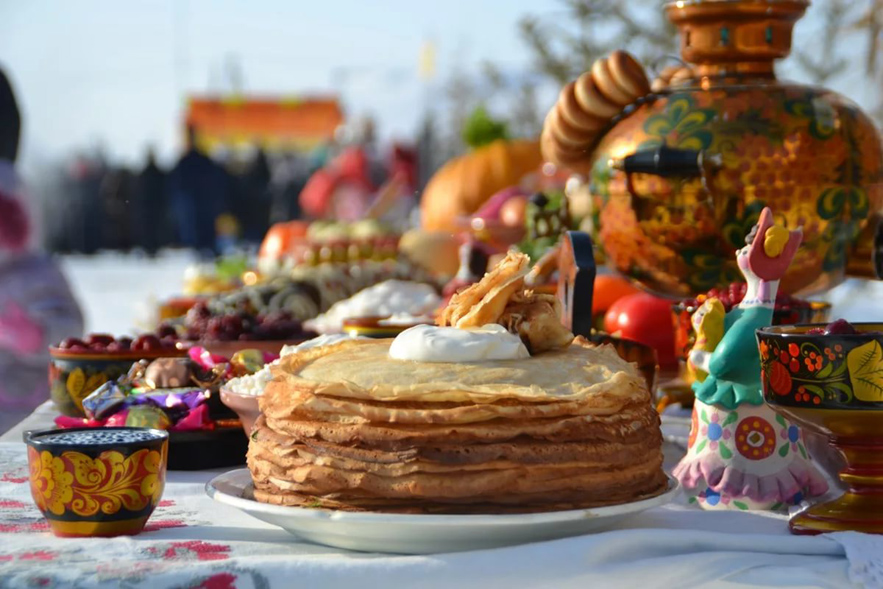
During these days, people bake pancakes and round flatbreads at home – symbols of the sun. It is simple food, but it is precisely in its simplicity that it carries special meaning. Pancakes are not hoarded or hidden; they are shared. It was believed that generosity during Komoeditsa would return a hundredfold in the form of a warm spring and a bountiful year. The first pancake is often left for nature – in the past, people would take it to the forest or place it at the edge of the yard, saying it was meant for Kom. Today, this gesture is seen more as a sign of respect for the world around us, a reminder that humans are part of the living world.
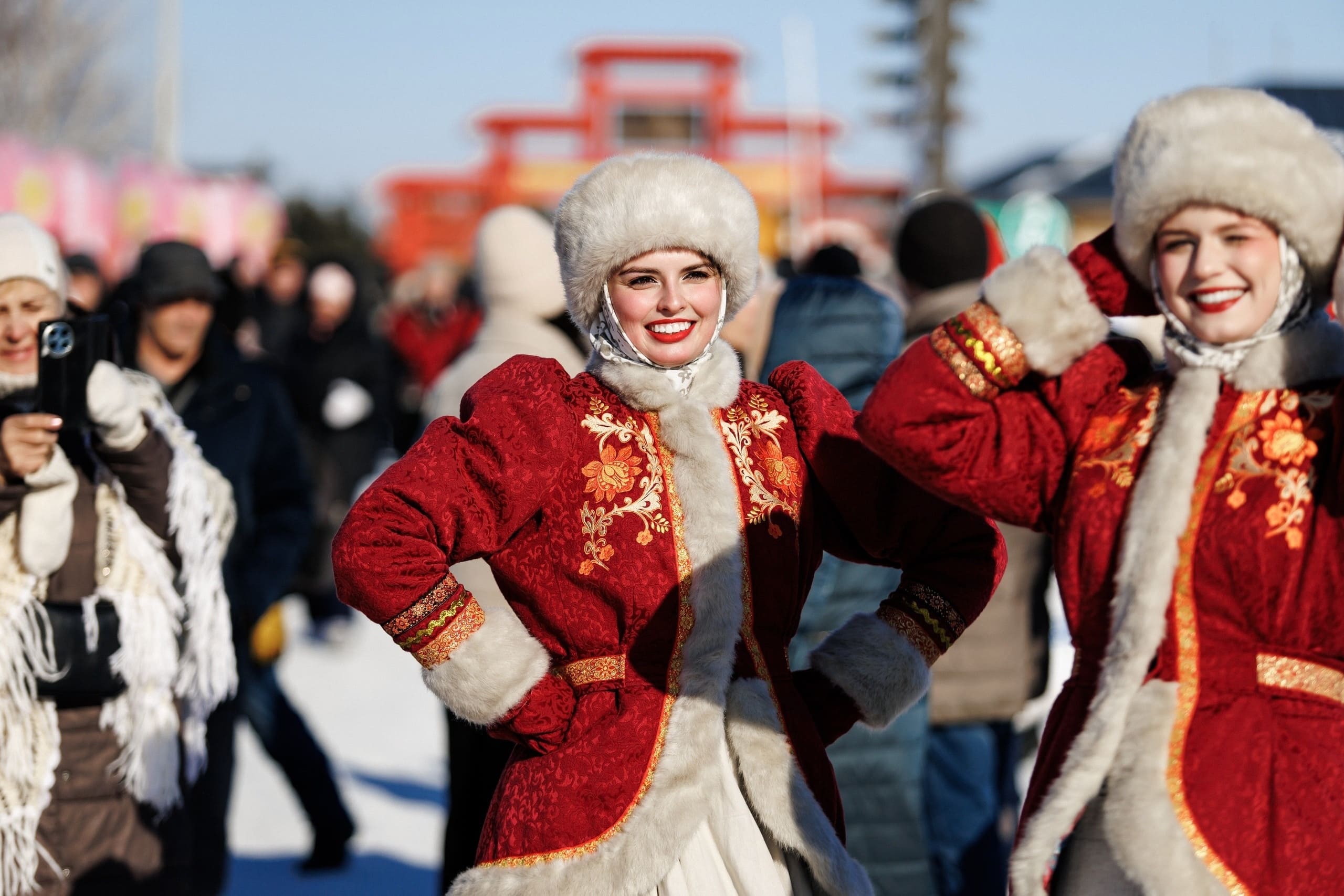 |
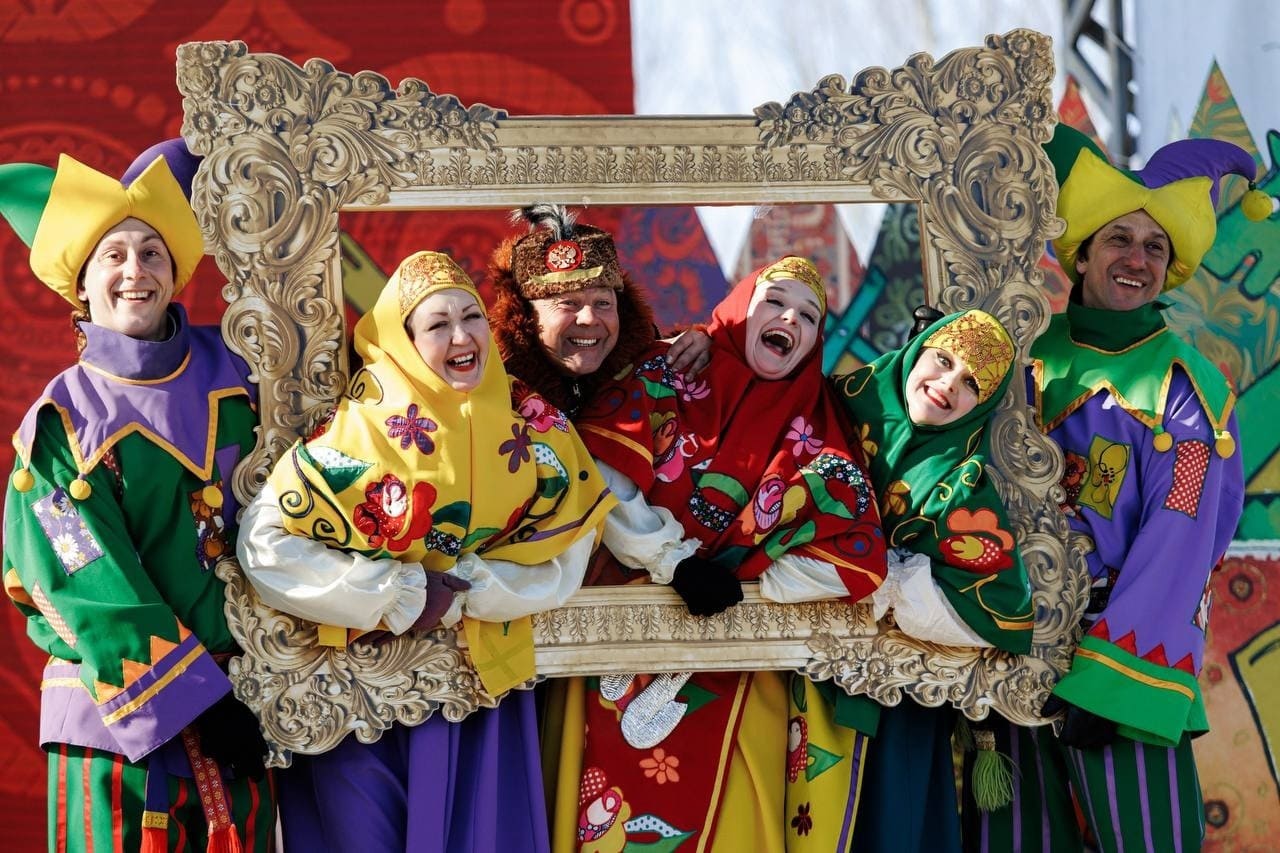
Komoeditsa is a cheerful and lively holiday. In kin’s settlements , it is celebrated among fellow settlers and relatives. People spend more time outdoors, going out to greet the sun, chatting, and laughing. It’s important to let go of the heaviness that has built up over the winter – old grudges, unnecessary worries, and fatigue. It’s often said that if you don’t hold onto anger during Komoeditsa, spring will come more easily, both to nature and to your heart. The change in children’s moods is especially noticeable these days. They sense the approaching movement and warmth, becoming livelier and more curious. For adults, Komoeditsa serves as a reminder of the same thing – the need to revitalize oneself, without rushing, without drastic decisions.
 |
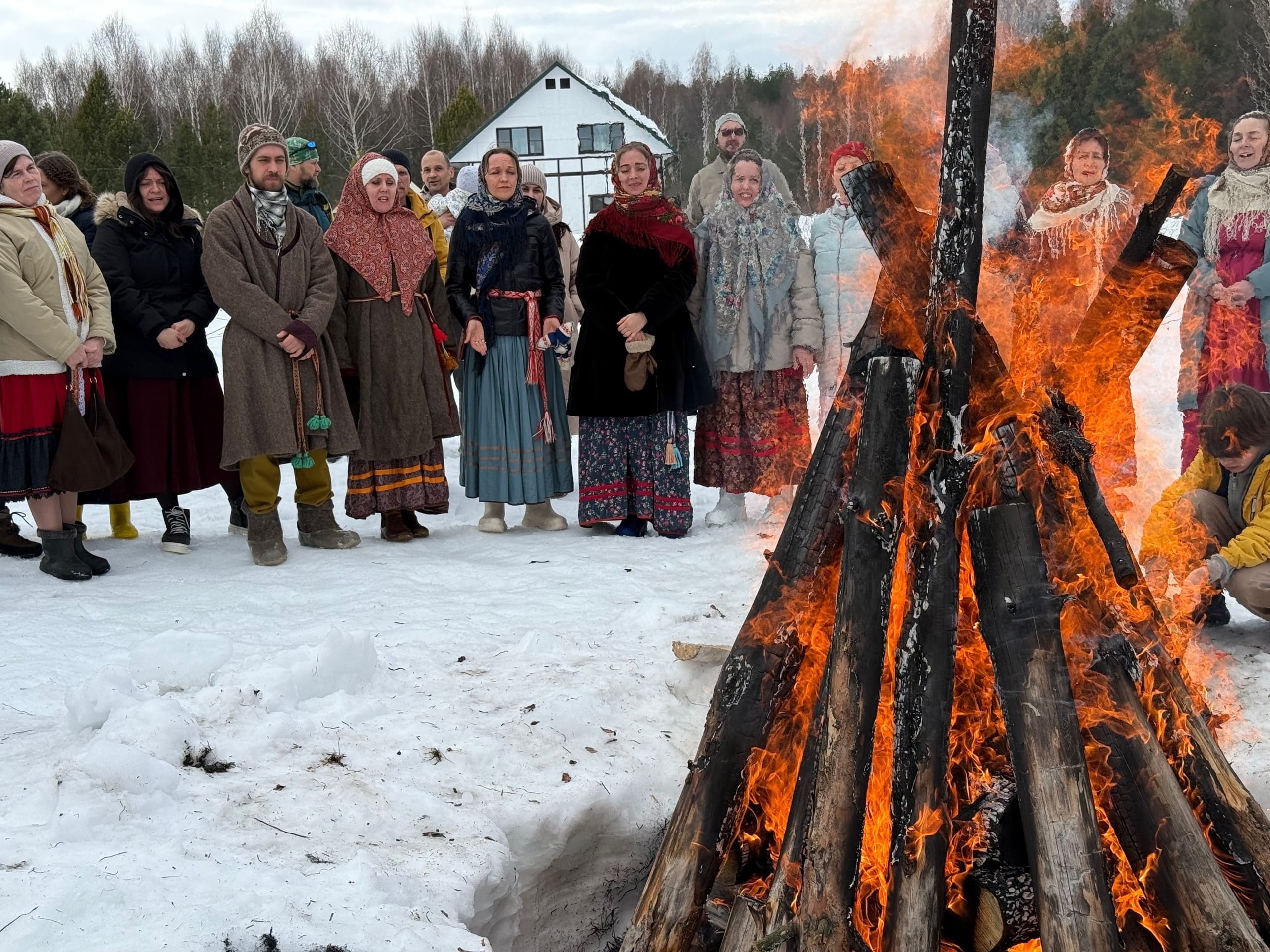
For the traditional way of life, Komoeditsa is important because it teaches us about transitions. It shows that the changing of the seasons does not require straining. Everything comes in its own time, if we do not interfere or rush it. Winter provides a time for silence and inner work, and Komoeditsa helps us gently emerge from this state while preserving what we have accumulated.
 |
This holiday does not promise that tomorrow will be warm. It merely signals that light is returning, and with it, life returns. Komoeditsa seems to open the door to spring, not pushing it forward, but inviting it to enter when the time is right.
 |
Author: Anna Zaretskaya, the kin’s settlement Zdravoye, Krasnodar Krai.
