











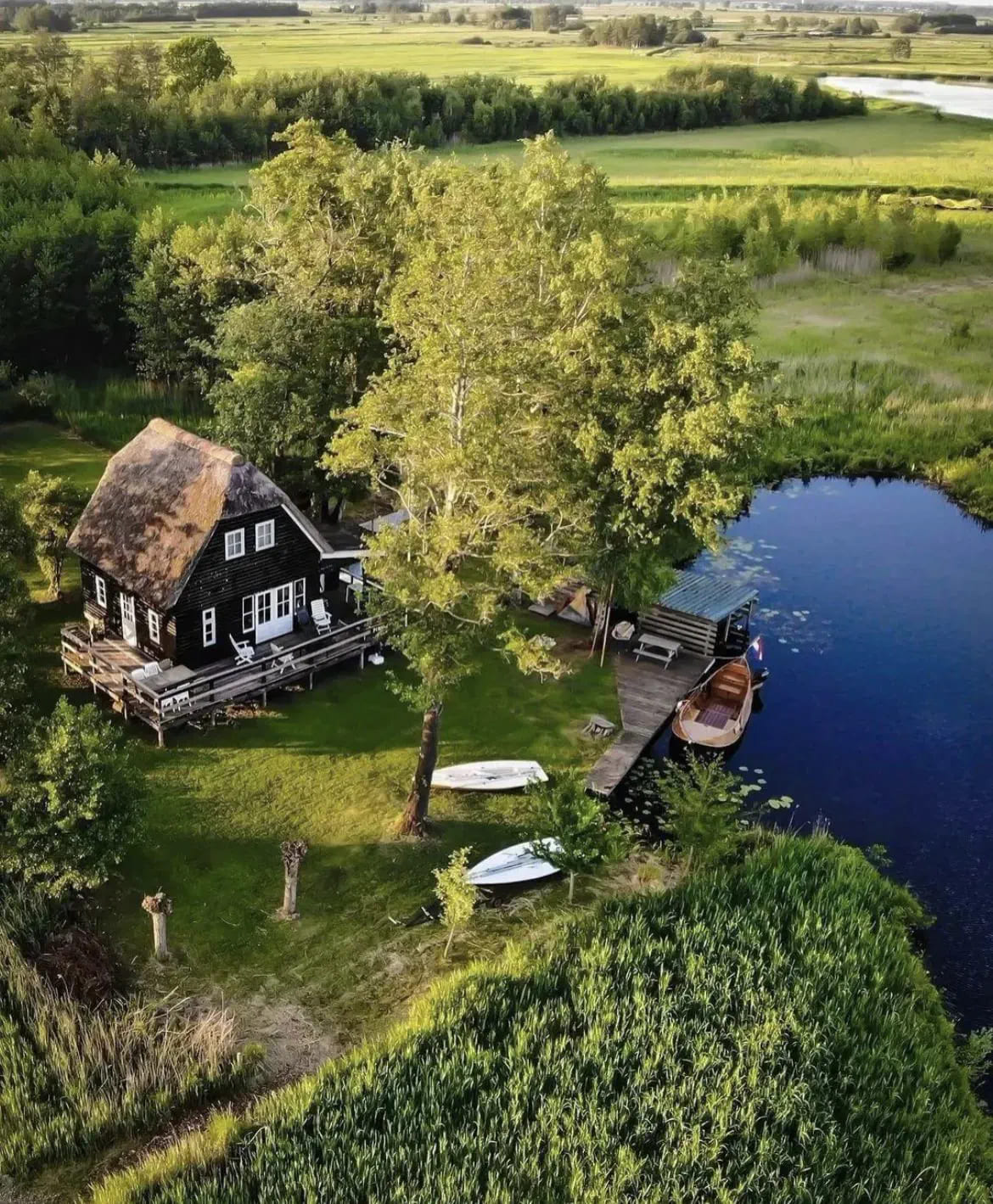
Many people notice that they truly “wake up” when they’re out in nature – as if they’re shedding an invisible weight, and the world suddenly becomes brighter, clearer, and closer. This isn’t just a feeling: behind it lies a deep harmony between human nature and the world around us. In the forest, by the river, or in a meadow, there is no conflict with a person’s inner rhythm. There, everything exists in natural proportions; forms are born not from blueprints but from the laws of life; and the silence is filled not with emptiness but with the sounds of the wind, birds, and the rustling of grass – sounds that don’t demand a reaction from us, don’t shout, and don’t require us to make a choice.
 |
The space of a modern city is structured quite differently. It seems to be made up of sharp angles and straight lines, where every meter is designed for function rather than feeling. Visual noise is everywhere: signs, screens, building facades, streams of cars – the eye has no time to rest, constantly gliding, lingering, scanning. Added to this is physical and informational noise: the hum of traffic, notifications, news, and endless messages. Even when a person sits down to rest, their nervous system continues to operate on high alert, as if they’ll need to react at any moment. This creates a paradox: a person seems to be doing everything right – practicing mindfulness, watching their diet, striving to be mindful – but the effect of their efforts seems to dissolve. It’s like trying to carry water in a sieve: no matter how much you scoop up, you can’t hold onto any of it. The reason is that the environment in which we live imperceptibly but persistently drains our inner resources.
 |
In the concept of Living Architecture, space is perceived not as a neutral backdrop, but as an active participant in our lives. A house, a street, a neighborhood – all of these either support a person, helping them maintain inner balance, or gradually sap their strength. Space can be an ally: it can gently guide us, remind us of our rhythm, and provide a sense of both security and freedom at the same time. Or it can become an invisible adversary that, day after day, demands effort where none should be required. Therefore, the true path of development is not limited to personal effort and inner practices alone. It necessarily includes caring for the environment in which these practices can truly take root, grow, and bear fruit. It is important to create a space around oneself where one does not have to battle sharp corners, noise, and chaos—where a person can simply be, breathe, and feel at home. It is precisely in such an environment that inner changes cease to be fragile and become part of everyday life.
 |
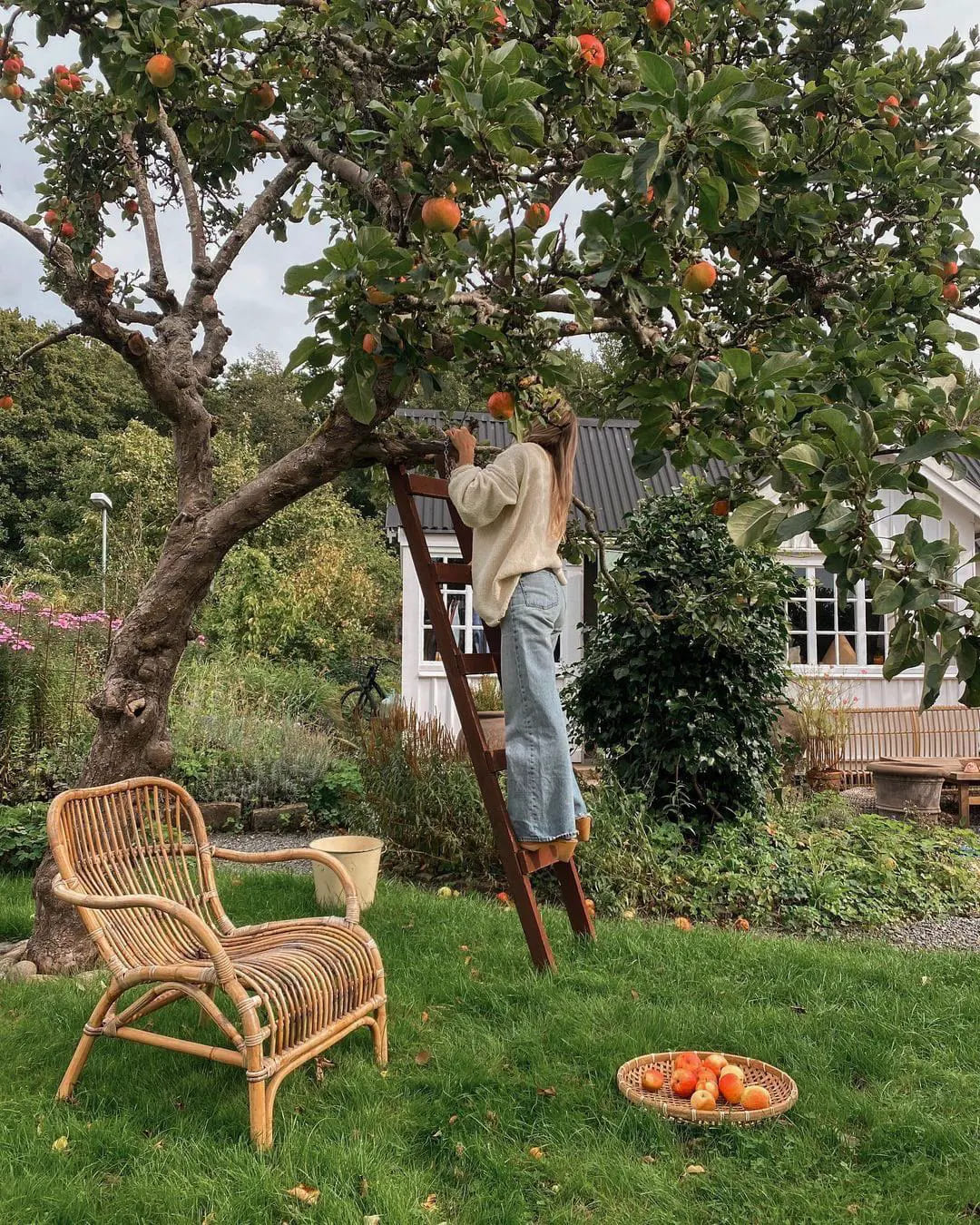
And this is where the concept of a kin’s domain begins to play a special role. It’s not just a plot of land far from the city – it’s an attempt to consciously shape one’s living environment and reclaim a lost connection with the rhythms of nature. In a kin’s domain, a person sets the proportions of the space themselves: planting trees, planning a garden, and building a house, guided not by standard solutions but by their own feelings and needs. Here, one can create a landscape that supports rather than overwhelms – with flowing lines, zones of tranquility, places for solitude and for socializing, and plants that not only delight the eye but also create a unique microclimate.
 |
A kin’s domain becomes a space of personal and family resilience. It offers the opportunity to structure daily life in a way that restores rather than drains: the morning begins with a walk around the property, the day flows to the rhythm of seasonal work, and the evening is spent with the family around the hearth. It is a place where traditions and personal experiences converge, where children learn to see the beauty of natural forms, and adults rediscover a sense of grounding. Moreover, a kin’s domain is also a space of continuity: people do not merely live here, but leave behind a living environment that future generations will be able to appreciate and nurture.
 |
For many, a kin’s domain turns out to be the very missing link between inner work and external conditions: here, practices cease to be “separate activities” and become a way of life. The space of a kin’s domain seems to help sustain what a person cultivates within themselves. It does not provoke anxiety; on the contrary, it allows one to breathe more deeply, listen to oneself, and see the world more clearly. This is where its profound significance lies: a kin’s domain is not an escape from civilization, but a conscious choice of an environment in which a person can truly blossom and live in harmony with themselves and nature.
Author: Nadezhda Kudinova, The kin’s domain of Kudinov family, Oryol Region.
