










The benefits of living on your own property in your own home, based on my personal experience. My husband and I have been spending our summers at our summer cottage since 2017. In 2020, we decided to build a house for year-round living. Since 2021, we’ve been living in our own home and tending to our garden. In addition, we work and are learning to balance these aspects of life. I have prepared my arguments in favor of living on one’s own plot, and the reader can delve into the topic and draw their own conclusions.
 |
First, in today’s world, it’s easier to buy fruits and vegetables at the store than to work in the garden. But on the other hand, there are now tools to make gardening easier, which can take on some of the work. Yes, technology and AI have now replaced serfs. And combined with a small plot of 6–10 acres, country life can be significantly transformed. It takes patience, a willingness to learn a little, and a sensible approach to the task.
 |
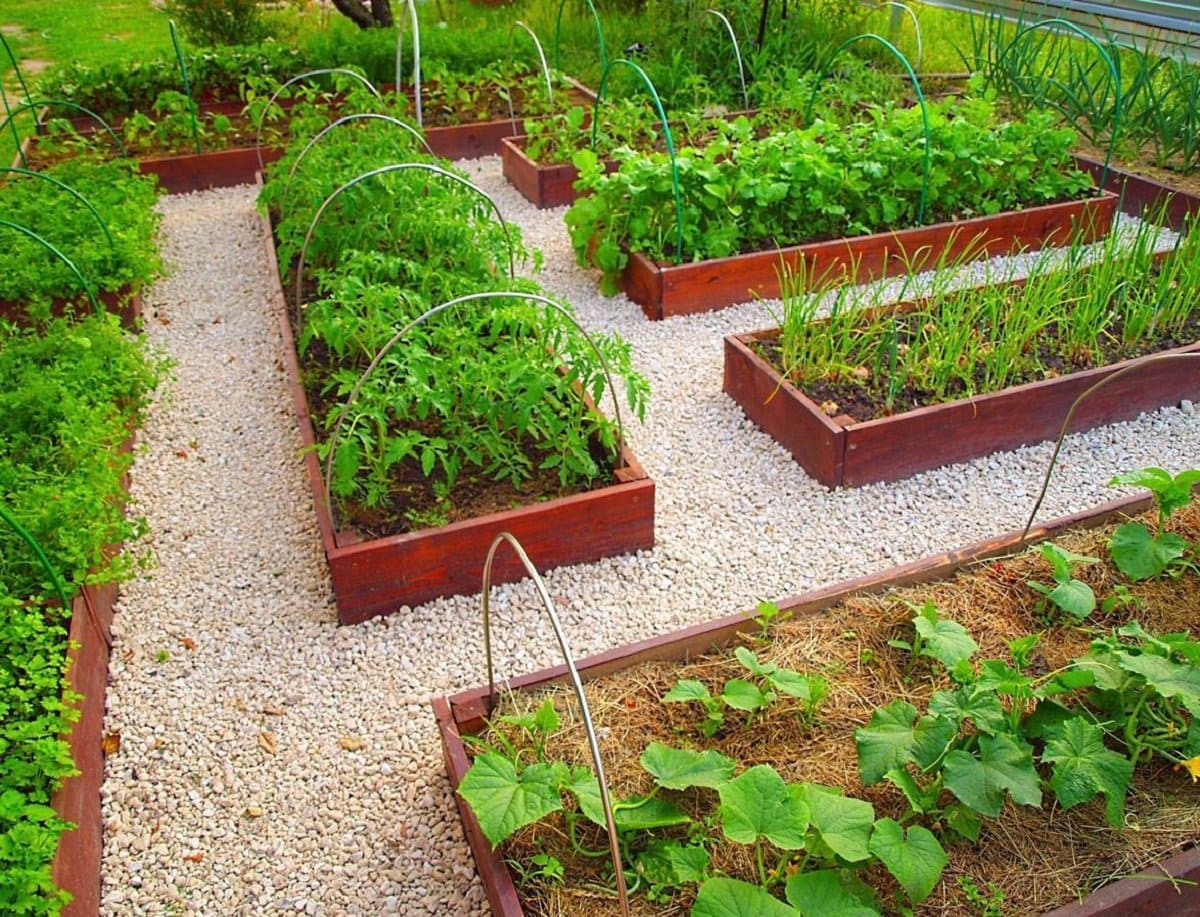
Second, if a person lives in their own home on their own land, they don’t have to plant everything with potatoes. A sensible approach is key – a mix of vegetable beds, flower beds, gardens, medicinal herb beds, and relaxation areas.
Third, people “from the Soviet era” – those who are now in their early 50s – remember their parents and grandparents, who grew their own crops in their garden plots. And those crops were delicious; many recall how, as children, they picked berries, plums, and apples from the trees, along with other “delicacies.” I myself belong to this generation and have this experience behind me as well. And since people have summer cottages, since we remember our ancestors who grew crops, then we, too, are bearers of this ability to create – only it lies dormant for the time being, waiting until we begin to slow down, take a closer look at ourselves, and unpack our abilities.
 |
Fourth, those reading these lines right now most likely belong to a traditional segment of society with traditional values that have remained unchanged for centuries: people have children, grandchildren, their own dacha (home), and we want our descendants to be healthy, happy, and successful, and we dream that our dacha will be of interest and use to someone after we’re gone. It is from this perspective that I will attempt to describe what I myself have long observed.
 |
On the “Fathers and Sons” dilemma in the 21st century
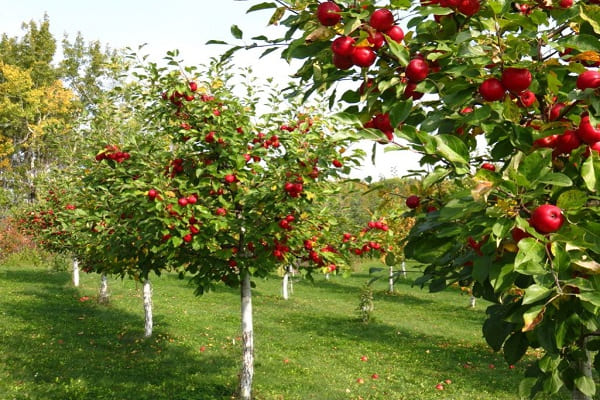
Our children and grandchildren are rarely shaped by our lectures and admonitions. They observe us, remain within our sphere of influence, and draw their own conclusions about what to adopt from us and what to avoid. If the elders in the family are restless, frequently ill, or constantly quarreling, the younger generation is unlikely to want to follow in their footsteps. But if the elders live on the land with joy and interest, tending to plants, feeding birds, and drinking herbal tea in the gazebo in the evening, then the younger generation absorbs this and, sooner or later, will want to do the same.
 |
How can your plot of land become a kin’s domain?
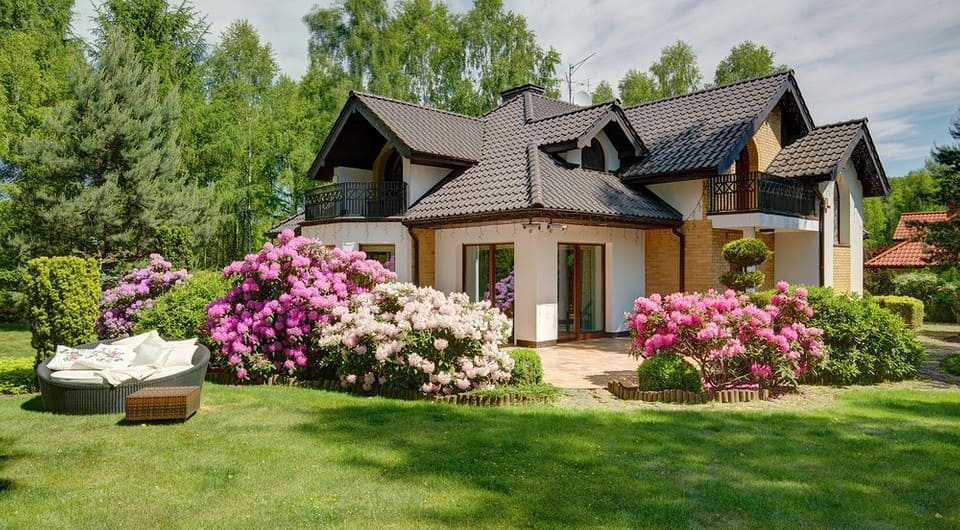
Strange as it may seem, through feasts. Living in a small apartment, you’re unlikely to want to gather around the table with a large group, especially in the summer. It’s a different story in your own garden: on a summer evening, when the cool air settles in, it’s the perfect time to gather around the table, have dinner with your own produce, drink herbal tea, and have a heart-to-heart chat. And in winter, it’s always nice to sit by the fireplace at home, warm up, drink tea, and just be quiet.
 |
How the bond between generations is strengthened on one’s own land
A country garden gazebo is a special part of country life. It can accommodate everyone who wants to gather: restless teenagers, little ones who’ll enjoy the sandbox or the swings, adults discussing important household matters, and the older generation, who’ll take pleasure in reminiscing about the past while meeting in the garden. There’s room for a neighbor who drops by for a minute, for friends, and the whole atmosphere fosters conversation, the sharing of experiences, and those joyful moments that children remember as a “happy childhood” and later want to relive.
 |
How can we help our children and grandchildren succeed?
Our lectures and lectures on this subject are unlikely to make much of a difference. Children watch and learn by example. And when a little one picks berries from the garden, or a teenager helps harvest crops or repair a fence, children learn to do concrete tasks; they transform from consumers into creators and builders. And people who grow up in such an environment become strong and talented. You can’t scare them with a broken faucet or a faulty switch. They’ll be able to hammer a nail and fix things; they’re different, more practical. My father was an engineer – seemingly part of the intelligentsia – but he grew up in a village, and besides his engineering work, he could identify mushrooms in the forest, gather herbs, start and maintain a beehive, and do many other things.
In short, this is a vast topic, and there’s plenty to think about. I’m not calling on everyone to immediately abandon their apartments and move into their own homes. Especially since it’s not cheap and not everyone can afford it. But it’s worth giving this some thought, especially for those who already own a plot of land but haven’t gotten around to it yet.
Author: Natalya Leonidovna Litvinova, Sevastopol.
Link to the author’s page: on VK apgrydki
