










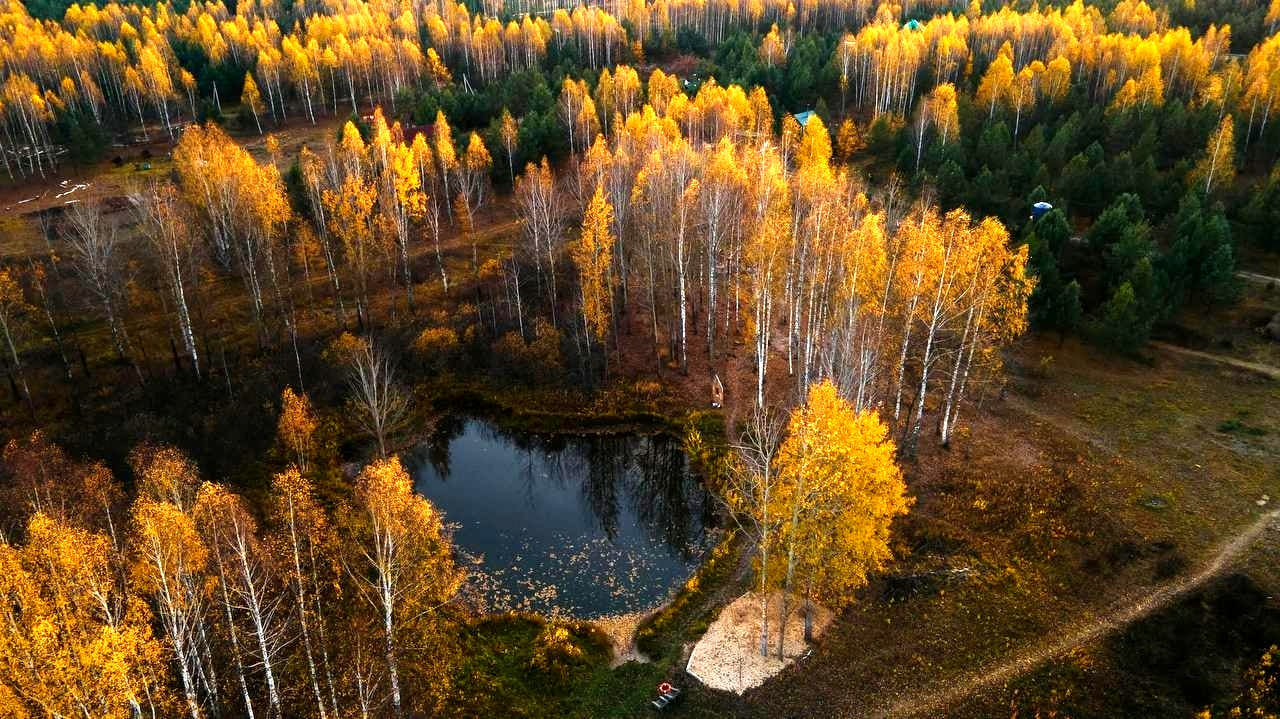
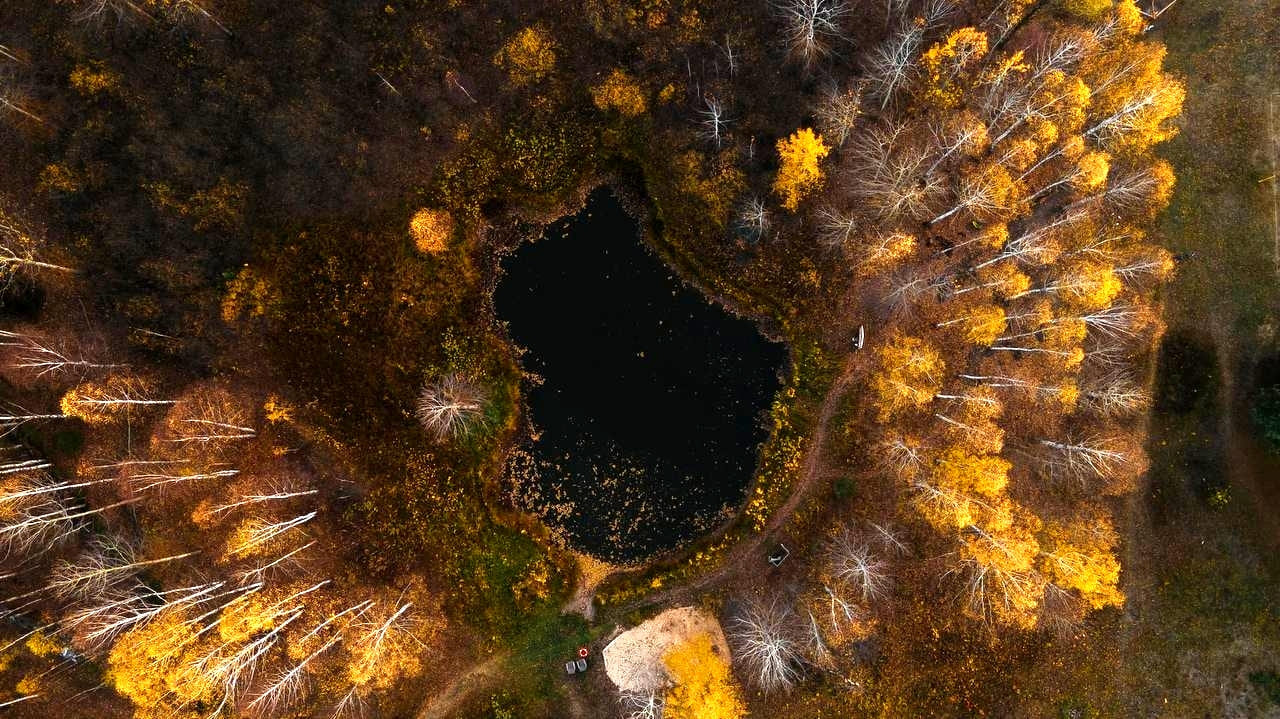
If a pond covering two hundred square meters appears in the garden, the surrounding space will change. The air, soil, and plants will change. The pond triggers natural processes that cannot be replicated with fertilizers and agricultural techniques. It regulates the microclimate and creates a sustainable ecosystem.
 |
Humidity
Water evaporates slowly and evenly, creating a humid halo around the pond. Plants perceive stable air humidity as a protective environment. Leaves lose less water, overheat less, and roots are in more comfortable conditions. The soil does not dry out, becomes retentive, loose, and saturated with microorganisms.
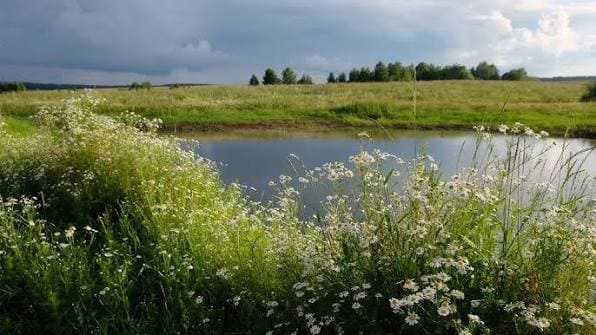 |
Plants in such an environment become more resistant to heat, tolerate transplanting more easily, get sick less often, and grow evenly. Cucumber and pumpkin leaves become juicier, greens become rich green, and fruit bushes and trees produce more fruit.
Insect diversity
Water always attracts insects. Pollinators, dragonflies, lacewings, ground beetles, and many other insects that form links in the food chain settle in areas of high humidity.
 |
Bees and bumblebees need moisture for drinking, for regulating the temperature of the hive, and for working with nectar. Butterflies search for minerals on wet ground, without which they cannot reproduce properly. Dragonflies use water as a place to hunt and develop their larvae.
Soil
Constant, background saturation of the soil with moisture restructures soil life at all levels. Moist air above the water condenses at night on the cold layers of the soil. In such an environment, the processes of organic decomposition are accelerated.
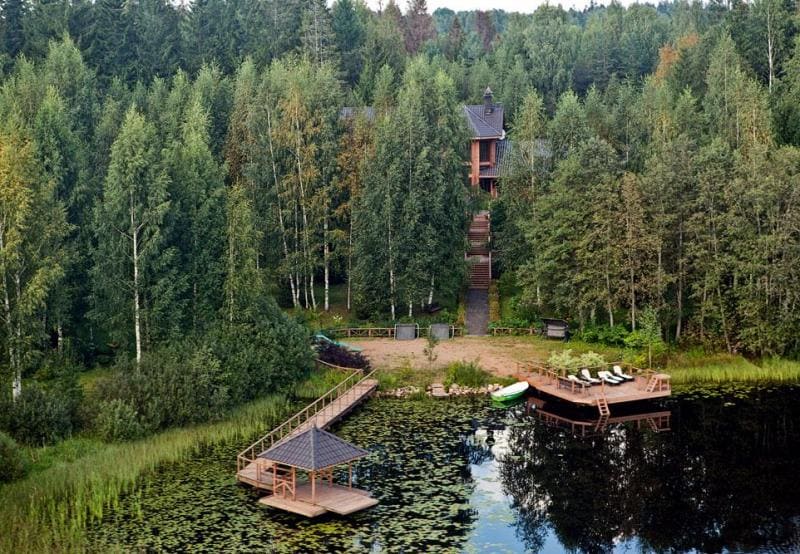 |
Under these conditions, soil bacteria—nitrifiers, actinomycetes, fermenting microorganisms—begin to work in the same way as in forest litter. They process organic matter continuously rather than in bursts. This leads to accelerated humus accumulation. Vegetable crops recover from stress more quickly and tolerate heat and lack of water better. Plants devote more energy to growth and fruiting.
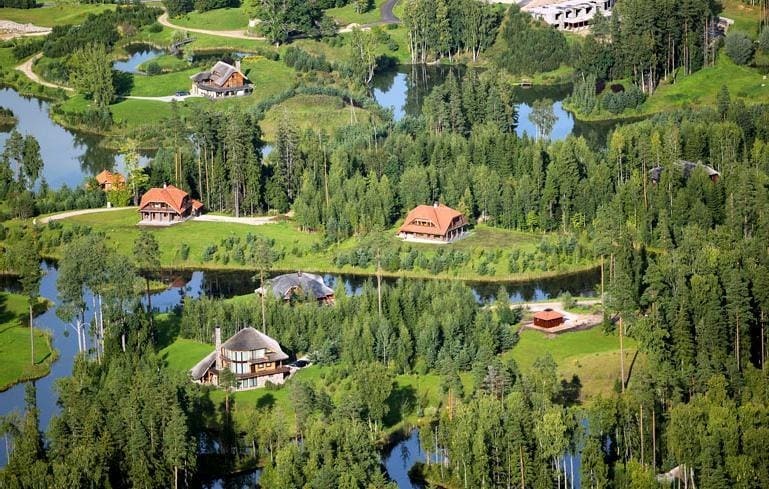 |
In fact, the pond creates an area of land around itself that functions as a mini forest ecosystem. The soil becomes balanced, and plants have access to nutrients as nature intended: slowly, evenly, and continuously.
Film or clay?
A pond lined with film works like a sealed container. The film does not allow water to seep into the ground—the soil around such a pond remains dry, and the microclimate around it remains almost unchanged. Such a pond can be very beautiful visually, but it functions more as a decorative structure than as a natural mechanism.
 |
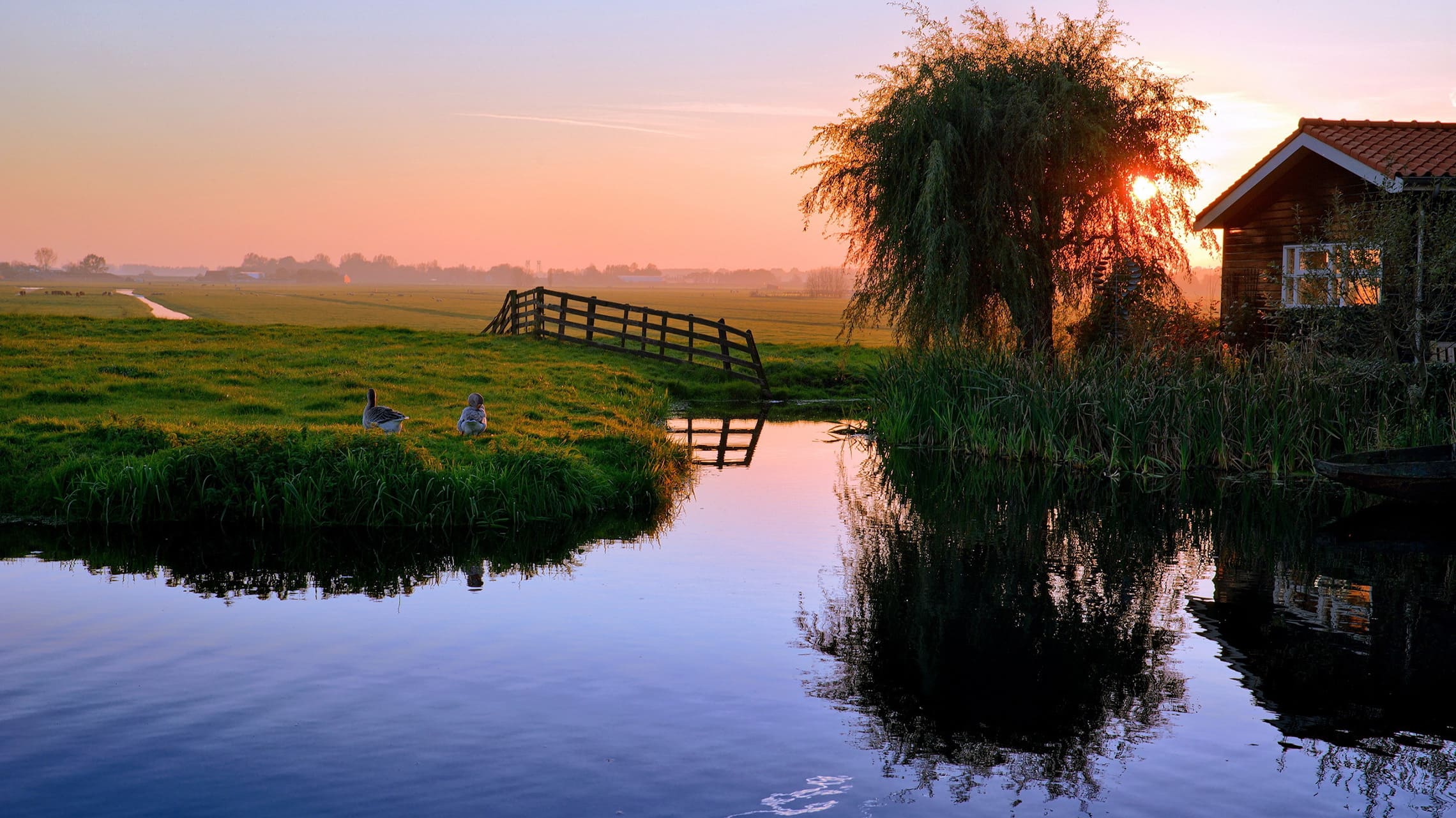
A clay bottom works differently. It connects water and soil, allowing moisture to slowly penetrate the soil and soil life to influence water quality. Clay retains water but does not isolate it completely. This creates conditions for a real ecosystem. A clay pond will not be transparent — the water in it is saturated with natural suspended matter and bacteria. In return, it provides biological diversity and the ability to influence the vegetable garden within tens of meters around it.
 |
A pond in the kin’s settlement is a necessary element for creating a sustainable ecosystem that improves the air, revitalizes the soil, attracts pollinators, regulates pests, stabilizes the climate, and increases crop yields. Its influence extends far beyond the shoreline.
