











Life outside the city reveals reality: it requires a mature attitude, respect for one's own resources, a willingness to deal with everyday life, and self-reliance. Comfort and stability are the foundation here, without which neither meaning nor projects are possible.
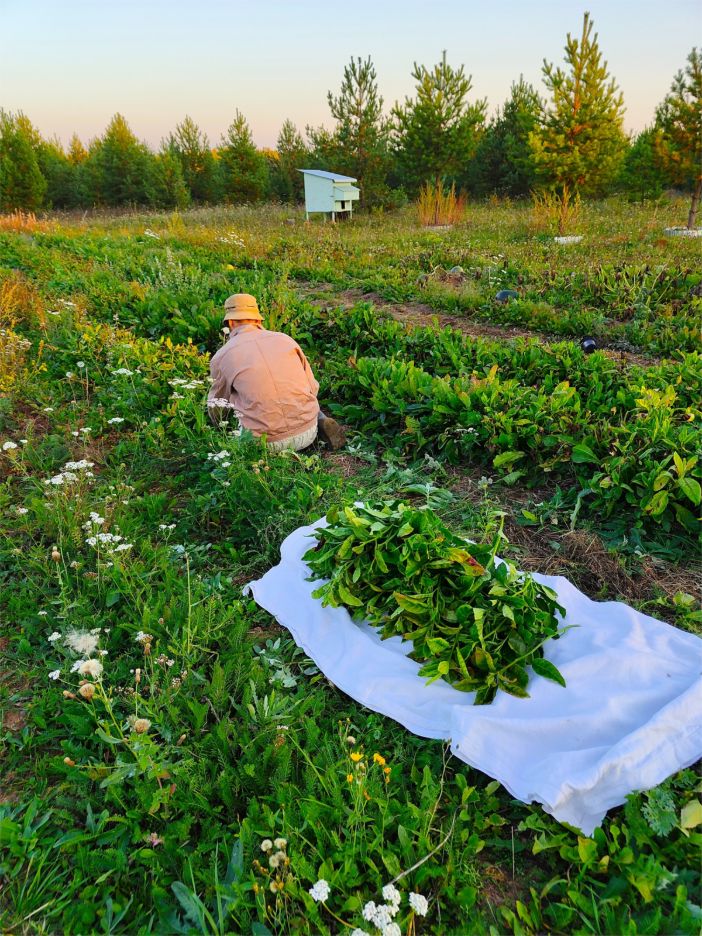 |
In return, you get something that money can't buy: clarity, inner strength, a calm rhythm, and a life in harmony with yourself, your family, and nature. Our move to the countryside began with clarity, not exhaustion. We weren't running away from the city, seeking refuge, or burning out. On the contrary, we had enough energy, resources, and understanding of the processes involved. It just became clear over time that the full development of our personalities and family in an urban environment was limited by the local environment.
Health is not an abstract concept. It is shaped by the environment: air and water quality, noise levels, light pollution, and the constant pressure of someone else's rhythm. No matter how hard I tried, it was impossible to control these parameters in the city, which meant it was impossible to build a stable, long-lasting, and peaceful life.
 |
At some point, we asked ourselves honestly: where can we live without constantly compensating for the effects of the environment? The answer turned out to be both simple and complex at the same time — on the land.
A conscious decision, not a romantic impulse
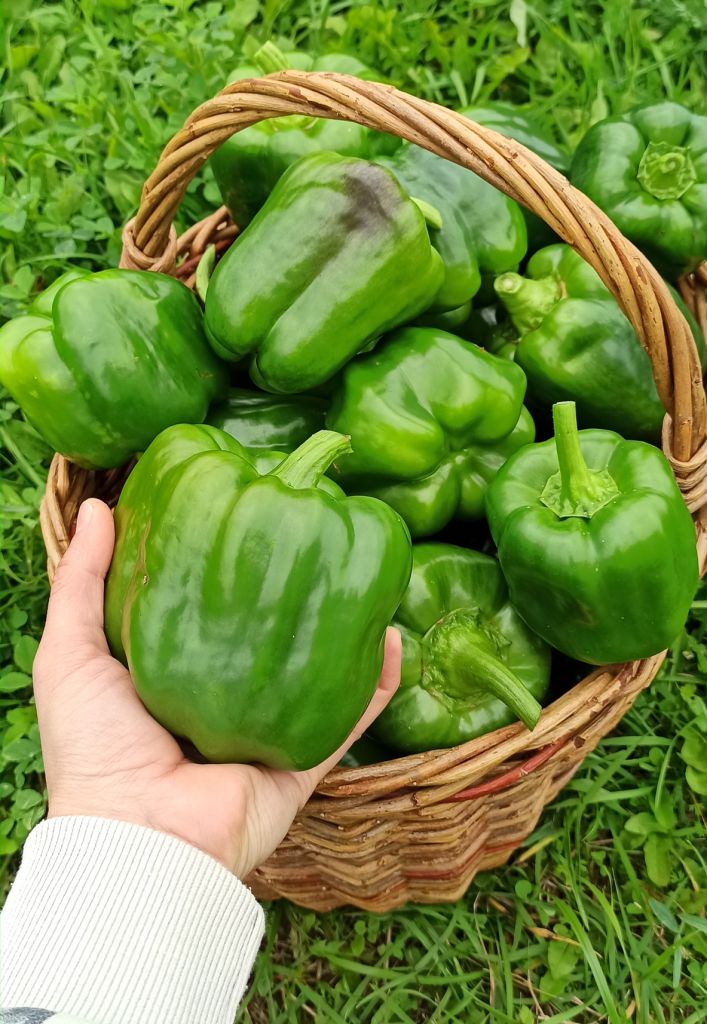
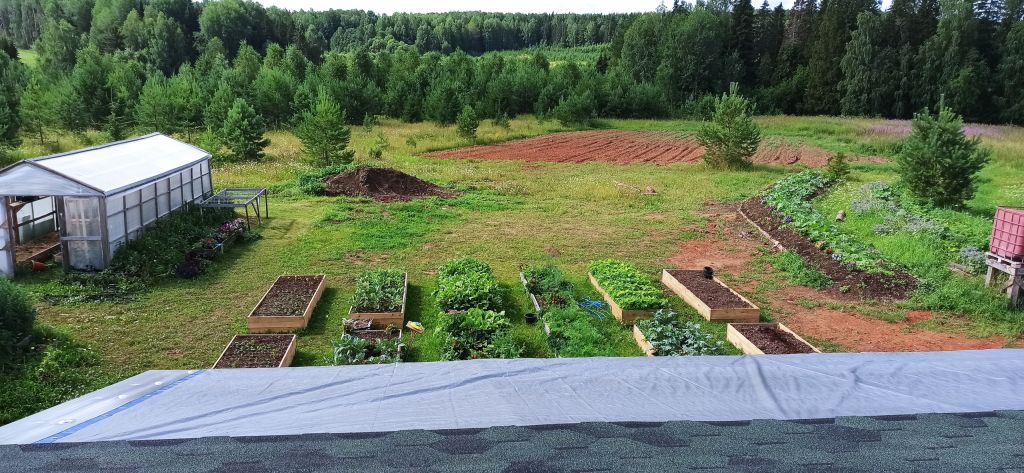
It was fundamentally important for us not just to “live outside the city,” but to learn how to provide for ourselves: to grow food naturally, to have clean water and air, to live in touch with natural cycles and our own bodies. To build a family business. To integrate it into the life of the whole family. This decision was discussed by the whole family. Without illusions. Everyone understood that this was the logical next step. Not an experiment, but a stage of growing up.
The first year: reality without filters
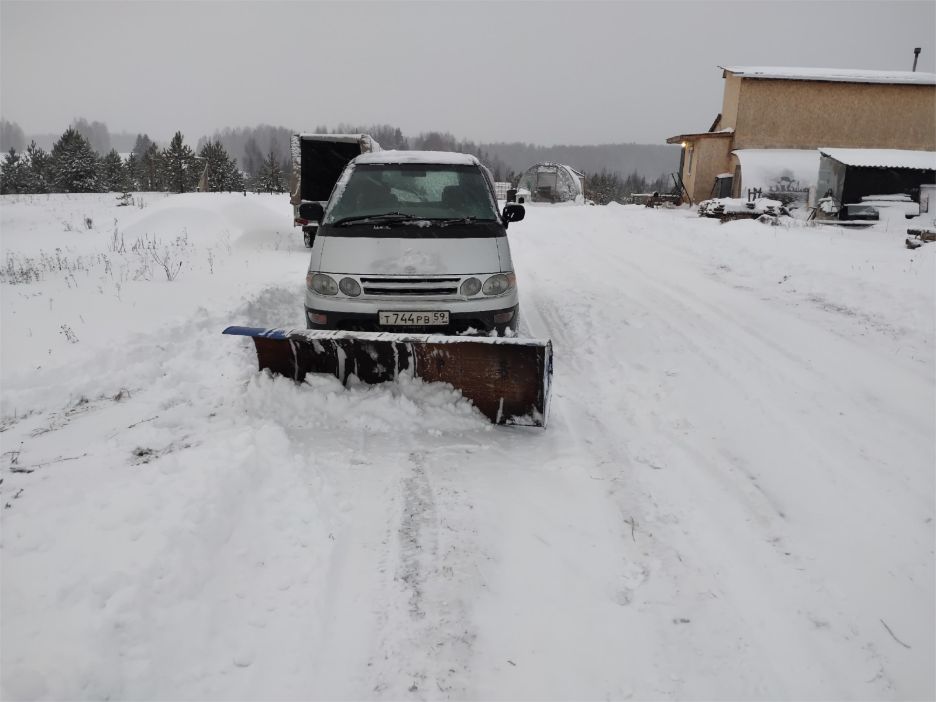
The first difficulty was the road. We live four kilometers from the nearest village, and in winter it simply wasn't cleared. Getting around becomes a task, not a backdrop. We had to learn to solve problems on our own — from engineering solutions to organizing equipment. Once we got through this stage, we could handle anything.
 |
The second difficulty was living with the family 24/7. The city gives the illusion of social richness, but in the countryside, only real interaction remains. This requires maturity, the ability to listen to each other, and respect for boundaries. Remember how families fell apart during quarantine? They suddenly realized what it was like to be with each other all the time and couldn't take it. We overcame that too.
The third challenge was everyday life. Water, heating, sewage, comfort. Technically, everything can be solved, but psychologically, it's a new level of responsibility: for warmth, comfort, and the stability of the entire system of life.
Comfort is not a luxury, but a foundation.
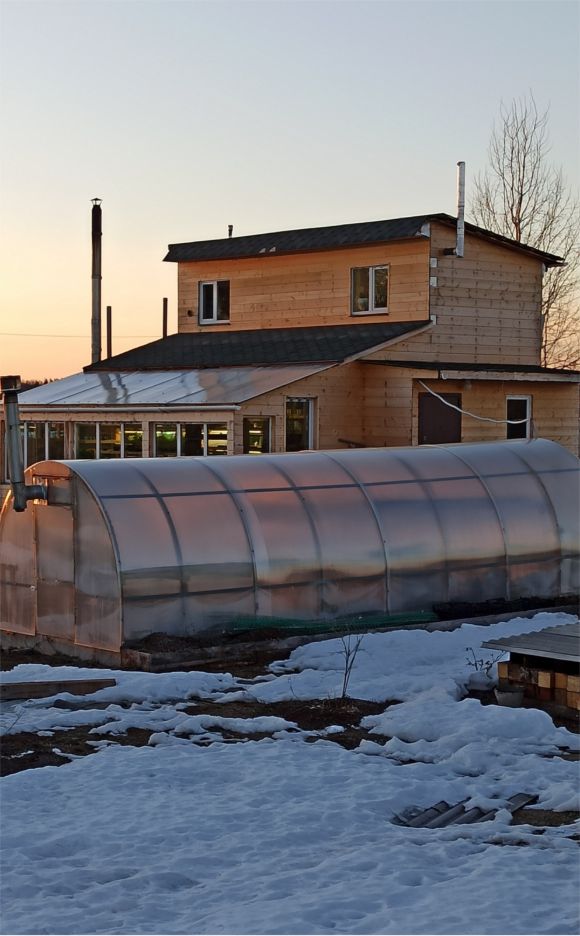
Immediately after moving, we focused on the basic conditions: housing, communications, amenities. Over time, it became clear that this was a key decision! If the house is uncomfortable, if every action requires effort, inspiration runs out very quickly. Life on earth does not tolerate asceticism for the sake of an idea. It requires respect for the body and resources. Our conclusion is simple: comfort first, then projects and meaning.
How life changes over time
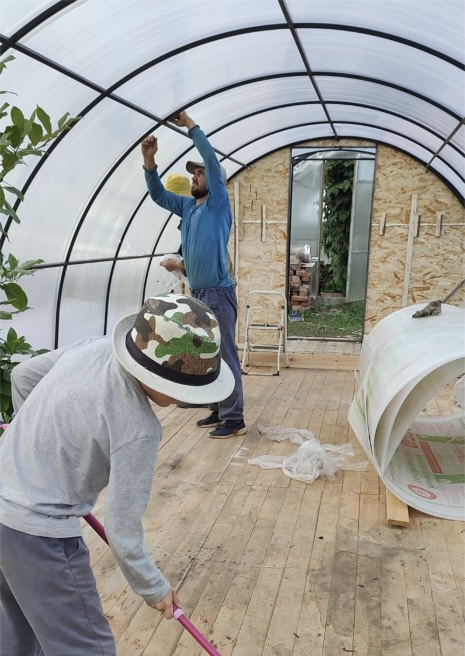
After a couple of years, the feeling of busyness disappeared. The rhythm became flexible but stable. A family farm, projects, crafts, responsibility for our choices and space appeared.
 |
The day no longer obeys someone else's schedule. It is built around the seasons, tasks, weather, and condition. Traffic jams, shopping malls, and constant noise are gone. Attention to time, the body, and real needs has come.
Children, education, and growing up
We chose homeschooling while still living in the city. A calm pace of learning the curriculum and passing exams. This option also suits us as a tool for transmitting values. Such as continuous education throughout life. And, most importantly, taking in information that correlates with reality.
 |
The acquisition of life skills has become practical: through participation, observation, and real life. Children are involved in everyday life, family business, and decision-making. They learn responsibility from daily practice. It is important to us that our child becomes a person with a planetary and resource-saving mindset. These are the skills of the future.
What is really important to know for those thinking about moving
I would not recommend relying entirely on general advice about moving. It's like the average temperature in a hospital, and it blurs the picture. Because what is a problem for one person is a trifle for another. Life on earth is not about “beauty.” It's about honesty. It is worth adequately assessing your place in the world. Take a realistic look at your competencies and skills. You can even do this with a psychologist. A person may not notice aspects of themselves that will lead them to failure instead of their dreams.
 |
What definitely came in handy for us was the ability to plan and rely on ourselves, the willingness to solve everyday and technical problems, maturity in relationships, respect for our own resources, and the ability to face our fears. In return, we received something that cannot be bought: a sense of meaning, inner support, clarity, and deep peace.
And, abstract for many, our inner intuition has become more acute. Now you can't hide the essence in your pocket — you live by your heart.
 |
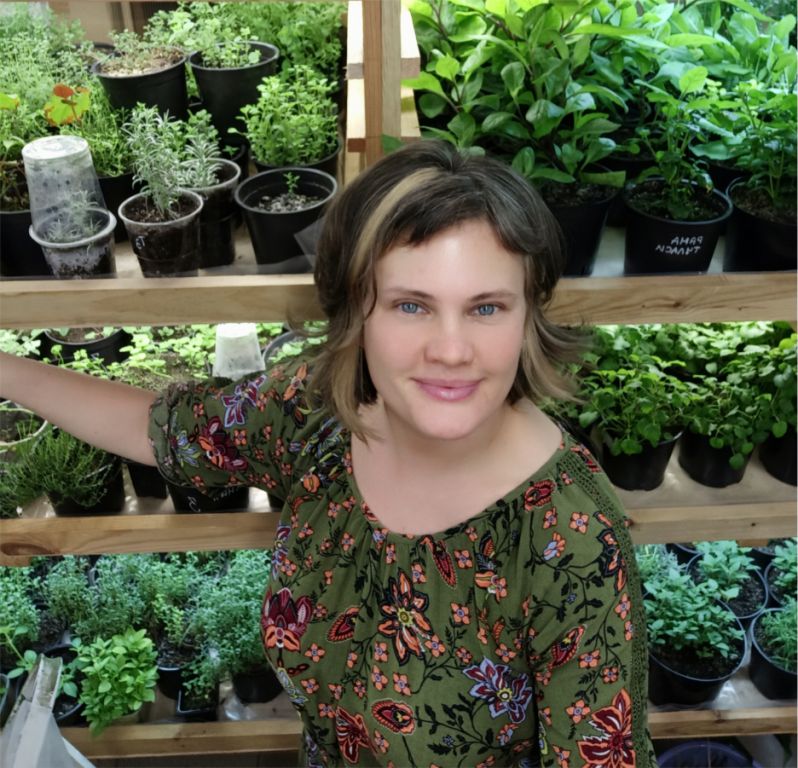
Author: Ekaterina Grishakina, The Family Farm Zhivaya Zemlya, Perm Region.
