











Among all the holidays in the folk calendar, it is hard to find a day more vibrant and mysterious than Kupala. It falls during the summer solstice – a time when nature is at its most powerful, the fields are in bloom, herbs are at their most potent, and the shortest nights of the year are filled with a special sense of vitality. That is precisely why Kupala has remained one of the most beloved and revered holidays among the Slavs for many centuries.
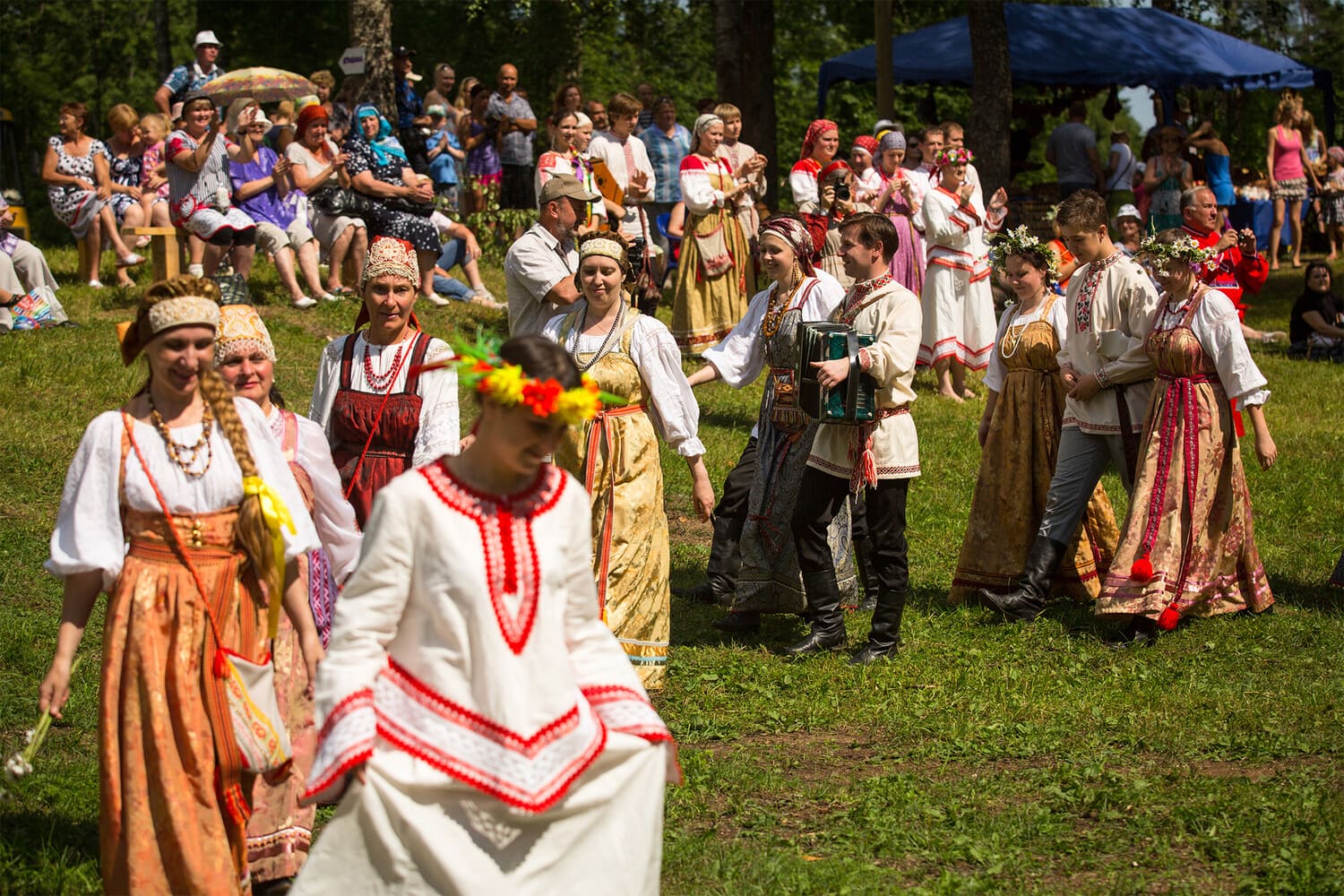 |
The history of the holiday dates back to ancient times. Even before the adoption of Christianity, the Slavs had rituals associated with the summer solstice, fertility, purification, and the veneration of the elements of nature. Later, these folk traditions merged with the Christian feast of the Nativity of John the Baptist, giving rise to the name “Ivan Kupala” as we know it today.
The Slavs celebrate Kupala on the night of June 21–22. It is a festival of love and youth! It marks the meeting of newlyweds and the wedding of the deities Leli and Lelya, which is why many weddings were held on Kupala.
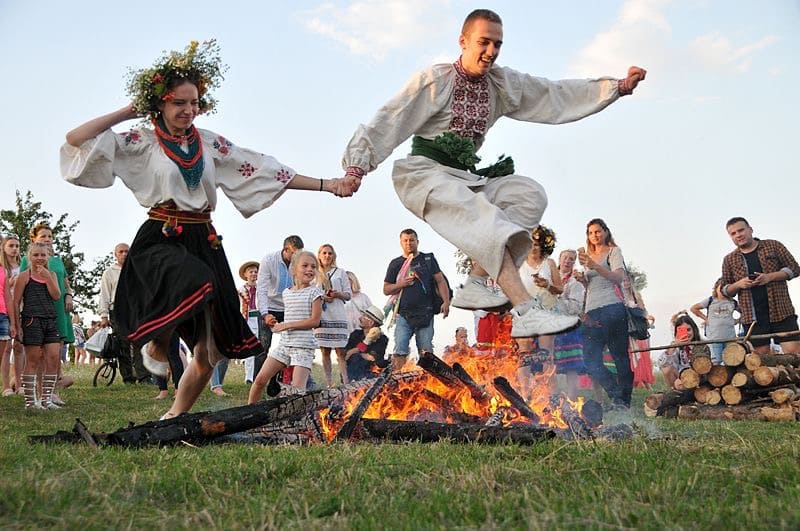 |
Fire and water have always been considered the main elements of Kupala Night. Though they might seem like opposing forces, on this day in particular they were symbolically united. Large bonfires were lit on hills and in meadows. People danced in circles around them, sang songs, and young people jumped over the fire. It was believed that the flames cleansed a person of all the evil accumulated over the year and bestowed health and vitality. In some regions, livestock were led through the bonfire to ensure their well-being and protection from disease.
Water was no less important. People bathed in rivers and lakes, greeted the dawn by bodies of water, and washed their faces with morning dew. According to folk beliefs, water acquired a special purifying power during these days. Herbs held a special place in Kupala traditions.
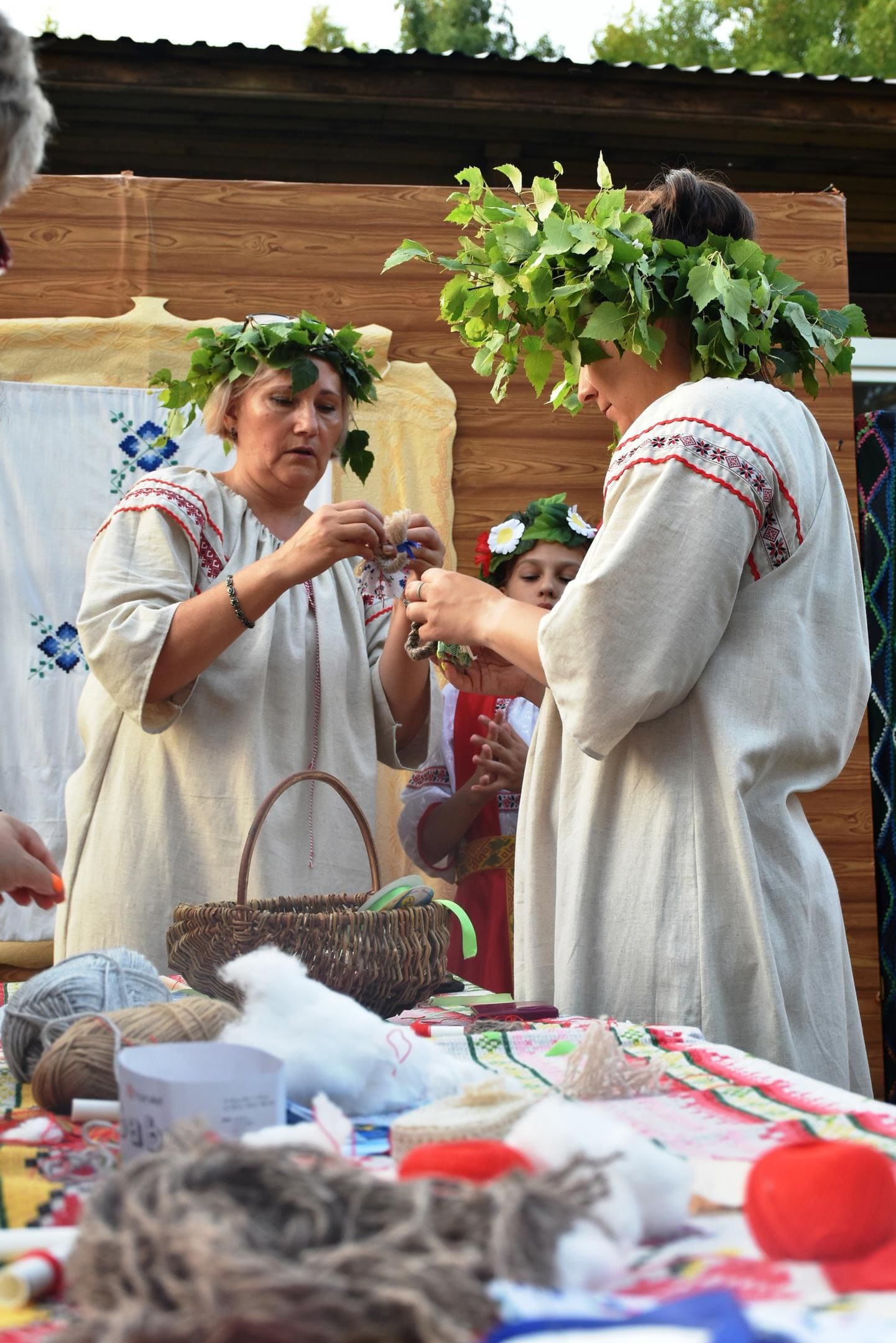 |
The Slavic ancestors believed that on Kupala night, plants reached the peak of their power. Women and young girls gathered St. John’s wort, wormwood, thyme, chamomile, and other medicinal herbs, dried them, and used them throughout the year. Many plants became part of rituals and family talismans. Ethnographers note that the connection between the holiday and herbalism can be traced in virtually all Slavic regions.
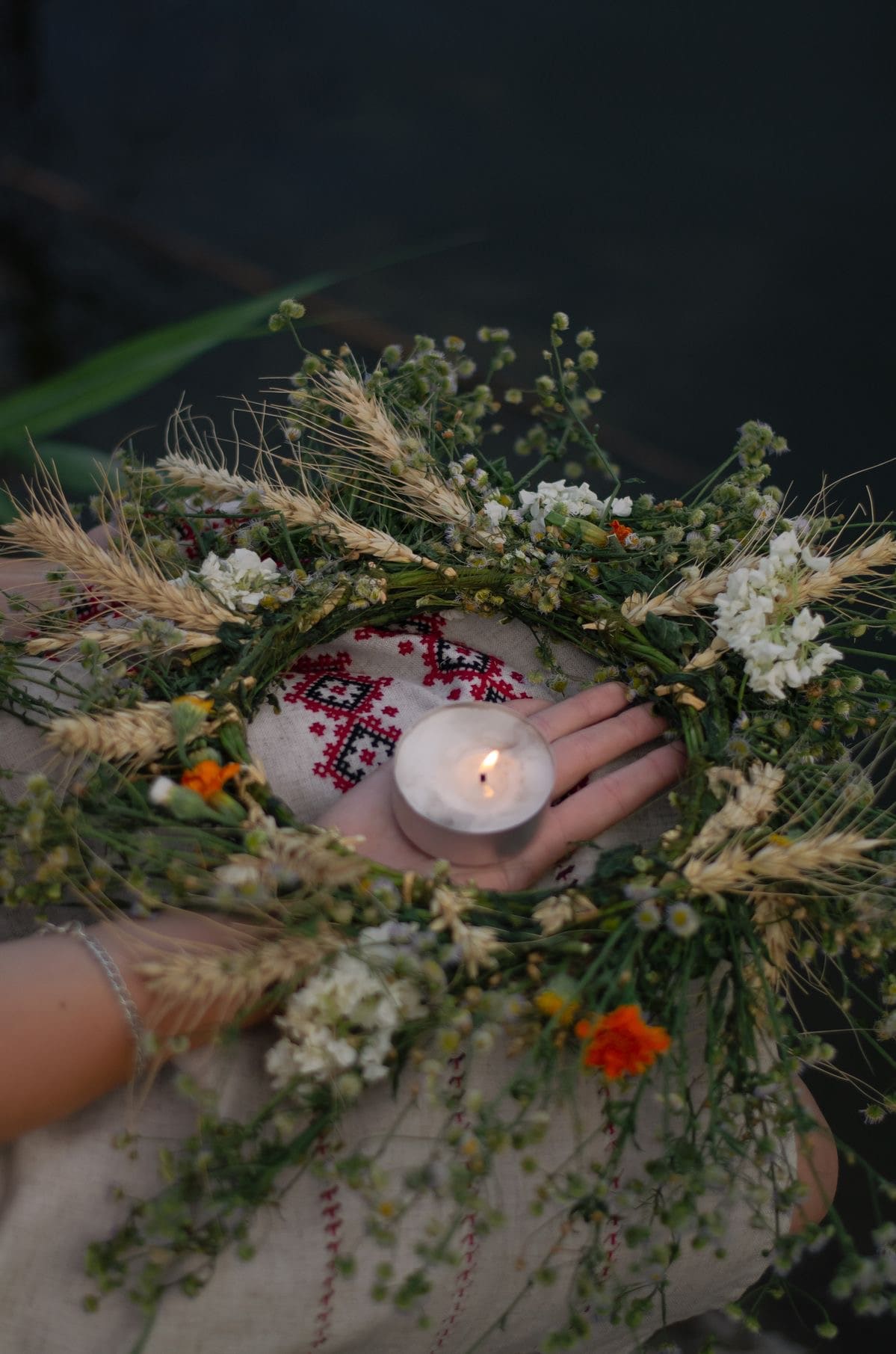
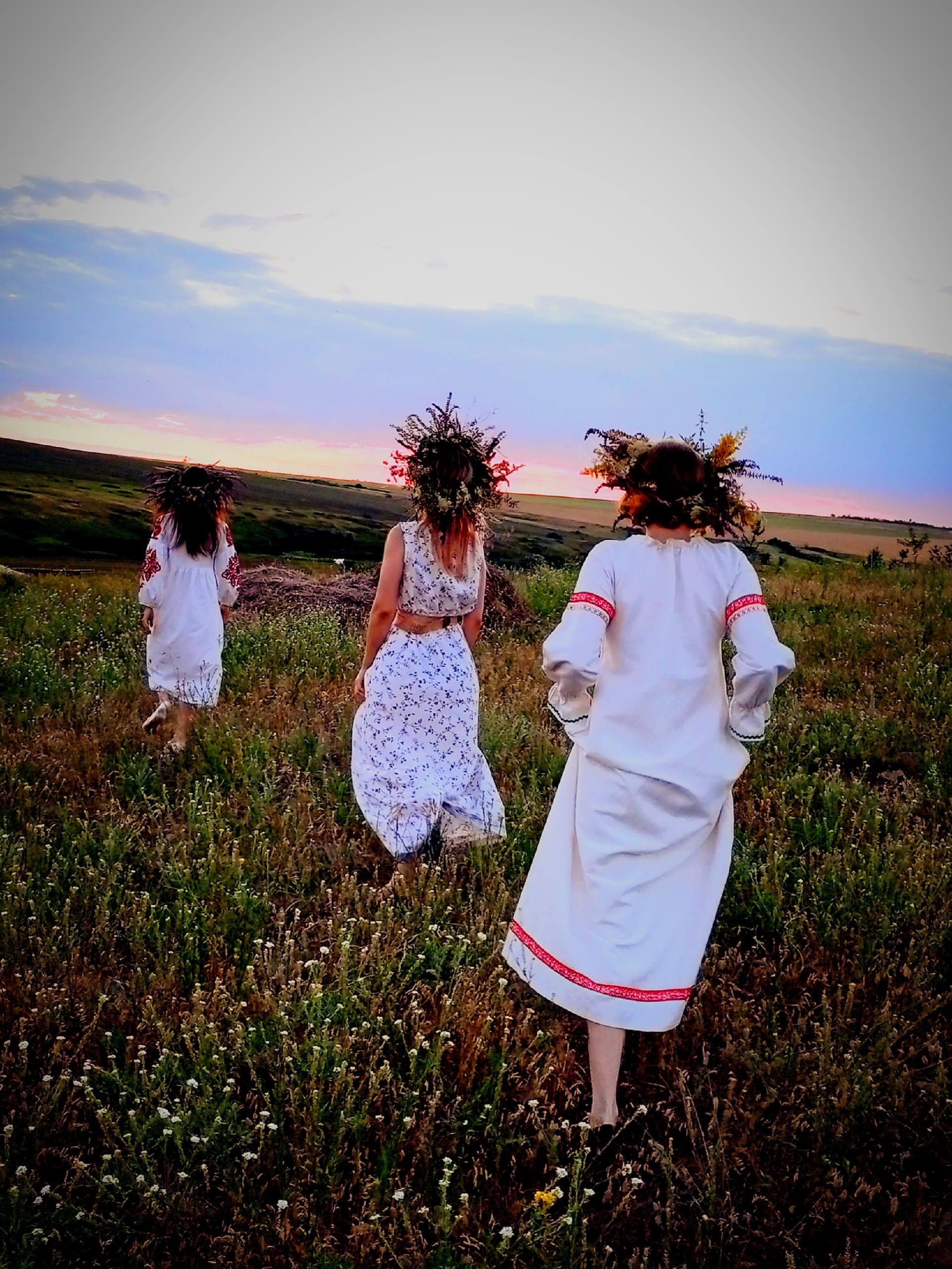
One of the most beautiful traditions was wreath-weaving. Young women would decorate the wreaths with wildflowers and grasses, then set them afloat on the water. They would predict the future based on the wreath’s movement: if it drifted far away, the year would be a happy one; if it lingered near the shore, they would have to wait for change. These rituals were part of youth culture and were seen as a rite filled with symbols of hope and love.
 |
For the residents of kin’s settlements, Kupala is still not merely a reenactment of an ancient ritual, but an opportunity to feel a connection with the rhythms of nature. At the height of summer, it is especially clear how the earth generously gives of its strength, how the first fruits of labor ripen, and how the sun reaches the zenith of its annual journey. The Kupala bonfire symbolizes inner purification, water symbolizes the ability to renew oneself, and the herbs symbolize the wisdom of nature that surrounds us every day.
 |
This is likely the main meaning of the holiday, preserved through the centuries: to pause amid the summer bustle, to thank the earth for its gifts, and to feel part of a vast, living world where everything is interconnected – the sun and water, humans and nature, the past and the future.
Author: Anna Zaretskaya,The kin’s settlement Zdravoe, Krasnodar Krai.
