











Disorders of the stomach lining are more than just discomfort after eating. They refer to a condition in which the stomach’s protective layer becomes damaged, inflamed, or loses its normal properties. In practice, this can manifest as erosions, peptic ulcers, chronic heartburn, pain, a feeling of heaviness, nausea, and a reduced quality of life.
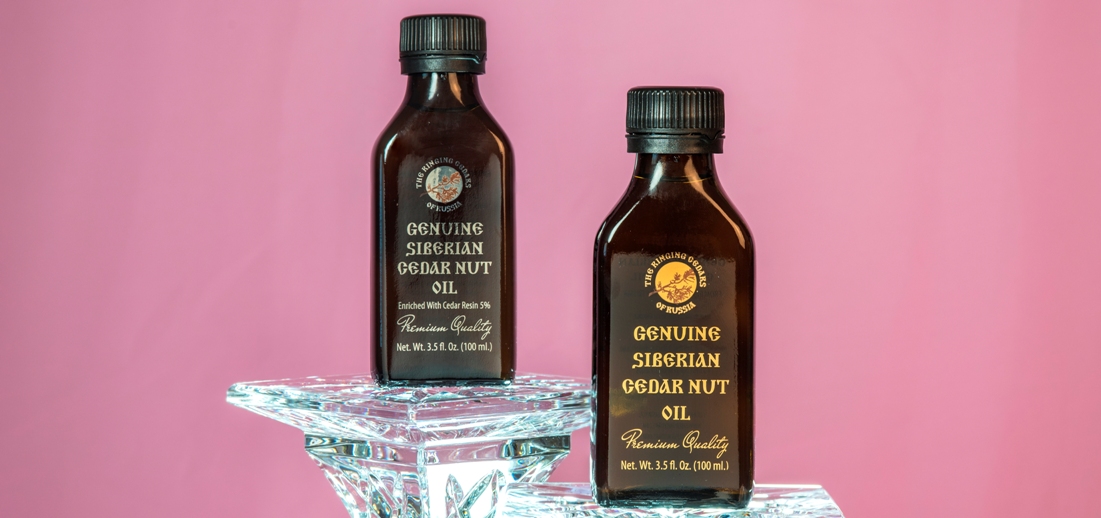
Disorders of the stomach lining are a problem that can manifest as erosions, pre-ulcerative conditions, ulcers, or chronic heartburn. In such conditions, the lining is damaged, which disrupts its protective functions and hinders normal digestion. One effective way to support and restore the stomach lining is a course of cedar nut oil enriched with sea buckthorn. The product is rich in trace elements and biologically active substances that promote tissue regeneration and improve metabolic processes in the stomach.
What happens when the stomach lining is damaged
The stomach lining is designed to withstand the effects of hydrochloric acid and digestive enzymes. It is protected by mucus, bicarbonates, a normal blood supply, and constant cell renewal. If this defense system is disrupted, inflammation develops. Against this backdrop, erosions and micro-damage appear, and in more severe cases, ulcers.
Deterioration of the mucous membrane affects not only the stomach itself but the entire digestive process. If food is not sufficiently prepared in the stomach, it is harder for the intestines to process it. In such a situation, the body absorbs proteins, fats, vitamins, and trace elements less efficiently. Digestive efficiency decreases, and a person may experience weakness, loose stools, loss of appetite, and a lack of energy.
Cedar nut oil enriched with sea buckthorn: composition and properties
Cedar nut oil enriched with sea buckthorn contains unsaturated fatty acids, vitamin E, and a number of biologically active compounds, and is also renowned for its high content of carotenoids, tocopherols, and phytosterols. In folk and dietary practices, these products are valued for their gentle action and nutritional value.
For example, polyunsaturated fatty acids (PUFAs), primarily Omega-3 and Omega-6, play a key role in the formation of cell membranes. In the event of mucosal damage, they promote its regeneration and restoration of integrity. PUFAs possess pronounced anti-inflammatory properties, helping to relieve the irritation and swelling characteristic of erosions and ulcers[1].
And carotenoids (including beta-carotene, a precursor to vitamin A) – powerful antioxidants – help accelerate healing and epithelialization (regeneration of the mucous membrane). Vitamin A is also important for maintaining the overall health of mucous membranes[2].
However, it is important to remember that cedar nut oil enriched with sea buckthorn is not a panacea. Its appropriateness depends on the condition of the stomach, tolerance, the presence of reflux, the stage of the disease, and the doctor’s recommendations. With the right approach, nutrition can indeed aid recovery, but only in conjunction with therapy targeting the root cause.
